
May 12, 2026 · 10 min read
Dynamic QR Menu Solutions for Fast-Paced Restaurants
A dynamic QR menu lets restaurants update prices, hide sold-out items, track menu views, and keep QR codes on brand without reprinting
iMango Team
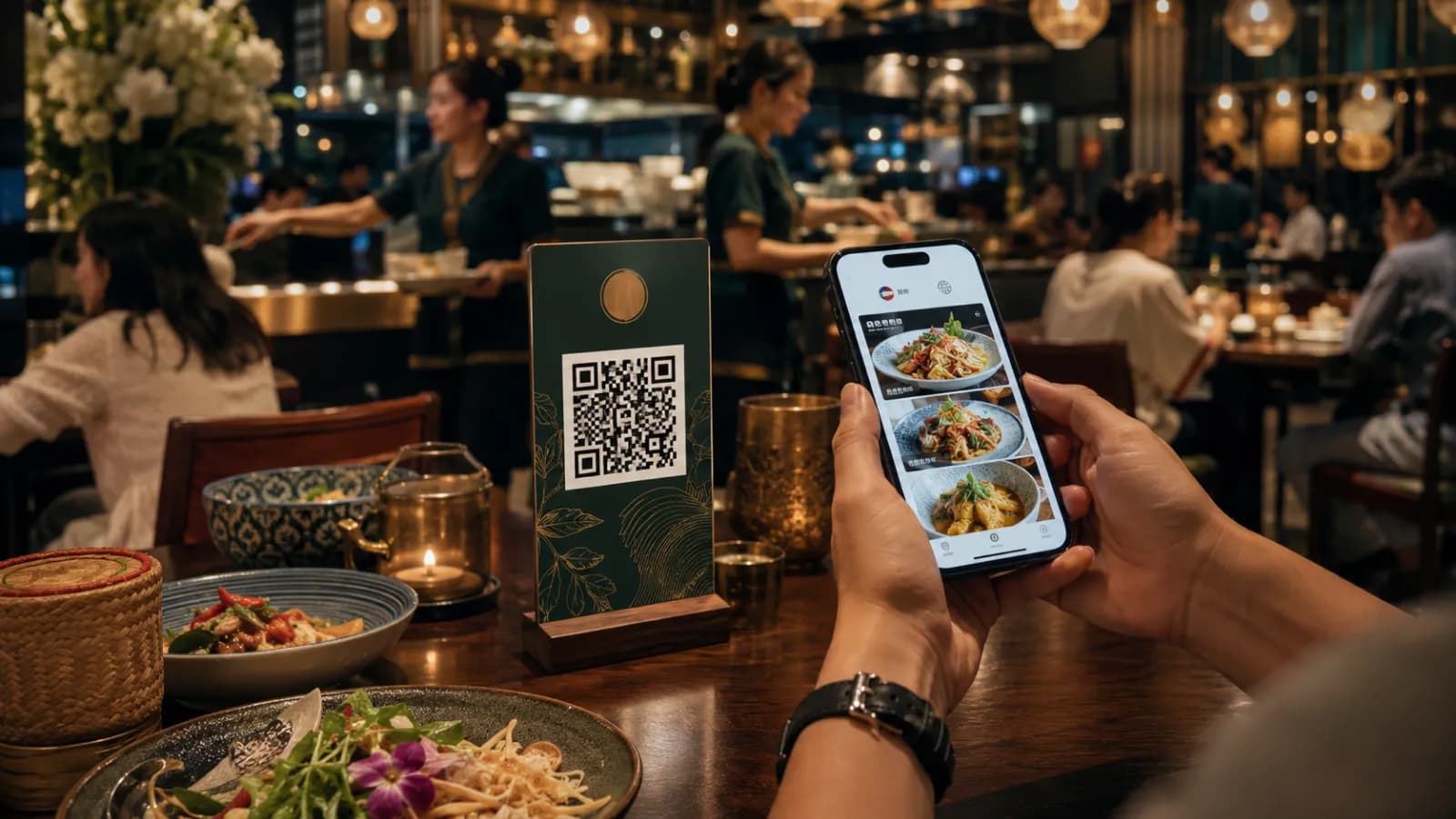
Short answer: a dynamic QR menu lets a restaurant keep the same printed QR code while changing the live menu behind it. For a fast-paced restaurant, that means prices, sold-out items, specials, translations, photos, and menu links can be updated without replacing every table tent, sticker, window sign, or printed insert.
That one difference sounds technical. In practice, it changes how quickly a restaurant can react.
Food costs move. A dish sells out halfway through dinner. A new lunch set needs to go live before noon. A tourist group needs English, Chinese, Russian, Korean, or Japanese descriptions. A spelling mistake appears on a cocktail name. A seasonal menu runs for ten days, not three months. Static QR codes and printed menus are too rigid for that rhythm.
A dynamic QR menu fits the way restaurants actually work: scan once, open a mobile menu, and show the latest version.
What is a dynamic QR menu?
A dynamic QR menu is a restaurant menu opened through a QR code whose destination can be managed after printing. Instead of encoding the final menu link permanently inside the QR pattern, the QR code usually points to a stable routing URL. The routing layer sends guests to the current menu page.
That setup matters because the physical QR code can stay the same while the menu changes.
| Static QR menu | Dynamic QR menu |
|---|---|
| The destination is fixed when the code is generated | The destination or menu content can be changed later |
| Reprinting is needed if the menu URL changes | The printed QR code can keep working |
| Usually no scan analytics | Can support scan and view analytics |
| Fine for permanent, low-risk links | Better for menus, specials, campaigns, and changing content |
| Cheap at first, expensive when mistakes spread | Usually paid, but easier to maintain |
QRTRAC describes the core difference clearly: a dynamic QR code uses a routing URL that allows destination edits and scan analytics, while a static code embeds data into the physical barcode and cannot be edited once printed.
For restaurants, the deciding question is simple: will this menu ever change?
If the answer is yes, dynamic is the safer choice.
Why fast-paced restaurants need dynamic menus
The restaurant industry is already investing in technology to improve efficiency and guest connection. The National Restaurant Association's 2026 State of the Restaurant Industry report expects U.S. restaurant sales to reach $1.55 trillion and notes that operators are looking at technology, digital ordering, automation, and data analytics to handle cost pressure and productivity needs.
A dynamic QR menu is not the whole technology stack. It is smaller than a POS, reservation system, or kitchen display system. But it sits at the exact point where guests decide what to order. That makes it unusually visible.
For a busy restaurant, the menu is not a design file. It is an operating surface.
It needs to answer:
- What can we sell right now?
- What price should the guest see?
- Which items need better photos or descriptions?
- Which languages do guests need today?
- Which table, window, or poster QR is actually being scanned?
- Can staff fix the menu without calling a designer or developer?
If a QR menu cannot answer those questions, it is only a digital sign. A dynamic QR menu should be a daily control panel.
Updating prices and items without reprinting costs
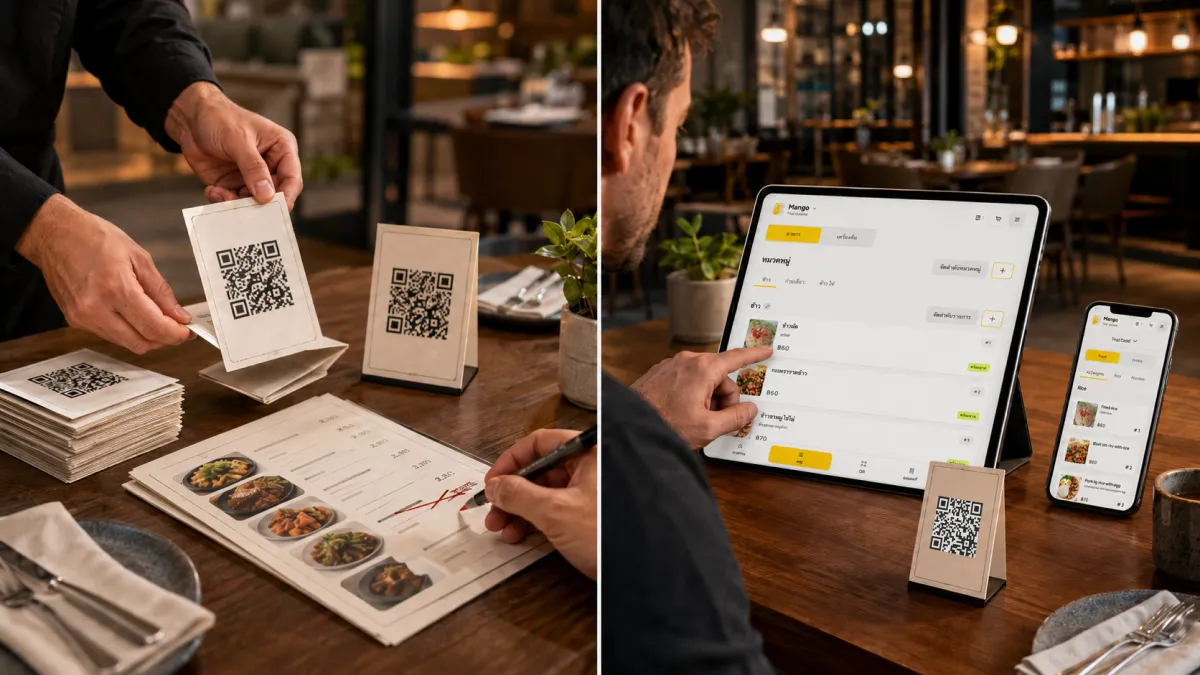
The most obvious benefit is still the most important one: you can update the menu without reprinting. This is what makes a digital restaurant menu practical for fast-paced venues.
That matters most when changes are frequent:
- ingredient costs rise and prices need adjustment;
- seafood, fruit, bakery items, or specials sell out;
- breakfast, lunch, dinner, and happy hour menus rotate;
- seasonal items need a short campaign window;
- a spelling mistake or wrong allergen note needs fixing immediately;
- a new branch needs the same structure with local prices;
- a holiday menu needs to replace the normal menu for one day.
With a static QR code, a broken URL or outdated PDF can turn every printed table card into a liability. With a dynamic QR menu, the QR code on the table can stay in place while the restaurant fixes the live menu.
For a shorter decision table, see the static vs dynamic QR code comparison for restaurant menus.
This is especially useful for restaurants that move quickly: cafes, food courts, quick-service restaurants, bars, beach restaurants, hotel restaurants, pop-ups, night markets, and tourist-heavy venues. These places do not have the luxury of waiting for a print cycle every time the menu shifts.
Tracking basic customer analytics and menu views
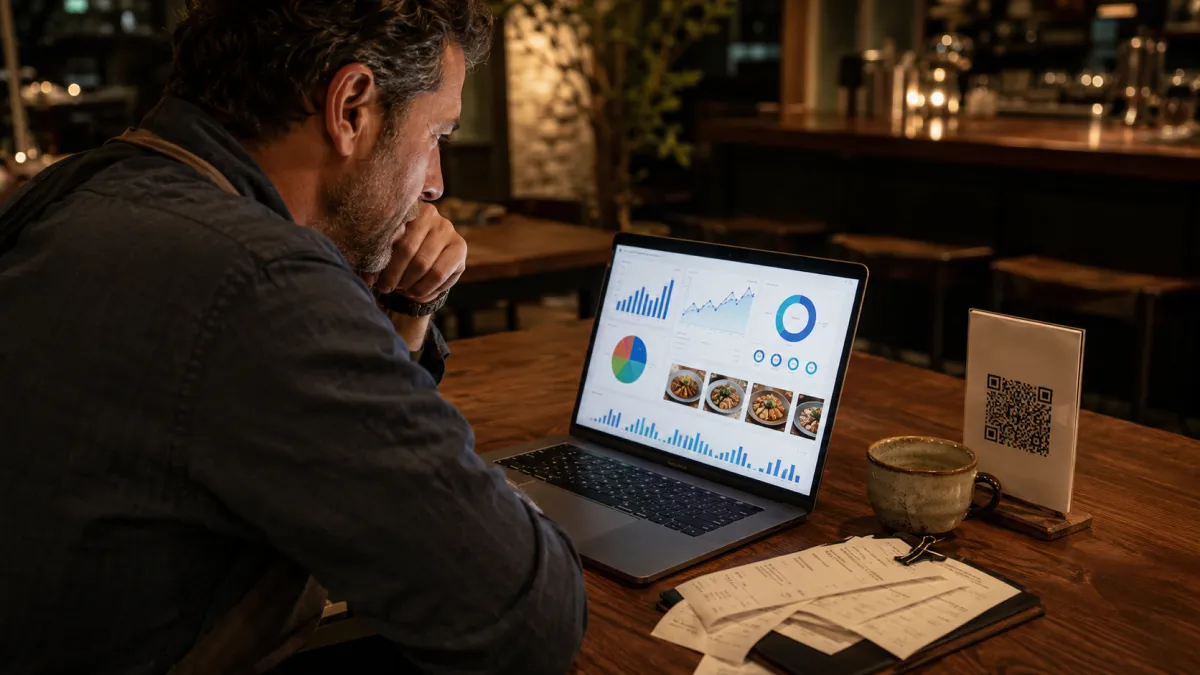
Restaurants do not need complicated analytics to benefit from menu data. The useful signals are usually practical and close to operations:
| Signal | What the restaurant can do with it |
|---|---|
| QR scans by table or location | See whether table tents, windows, counters, or hotel-room cards work best |
| Menu views by daypart | Compare lunch, dinner, weekend, and late-night behavior |
| Category views | Move high-interest categories higher or simplify weak ones |
| Item views | Improve photos and descriptions for viewed-but-not-ordered dishes |
| Language selection | Add or improve translations where actual demand exists |
| Device and load performance | Catch mobile usability problems before guests complain |
Guest research supports the same direction. Toast's survey of 850 adults found that 66% prefer menus with dish photos, while 81% still prefer physical menus. That tension is important. It means restaurants should not use QR menus as a lazy replacement for hospitality. They should use QR menus to give guests better information, faster.
The practical takeaway is this: dynamic QR menus work best when they make the guest's decision easier. Photos, short descriptions, clear prices, dietary notes, translations, and current availability matter more than gimmicks.
Why dynamic QR menus matter in Thailand
For restaurants in Thailand, dynamic QR menus sit inside a market where QR behavior is already familiar.
DataReportal's Digital 2026 Thailand report says Thailand had 67.8 million internet users at the end of 2025, with internet penetration at 94.7%. The Bank of Thailand describes Thai QR Payment as a QR-based mobile banking payment service that supports the move toward a less-cash society. Guests are already used to scanning QR codes for payment, transfers, promotions, and service flows.
Tourism makes the case stronger. The Tourism Authority of Thailand reported 32.97 million international arrivals in 2025, and Thailand.go.th published TAT's 2026 target of 36.7 million foreign visitors. For restaurants in Bangkok, Phuket, Pattaya, Chiang Mai, Koh Samui, Krabi, hotel zones, airports, and tourist streets, the menu often needs to serve more than one language every day.
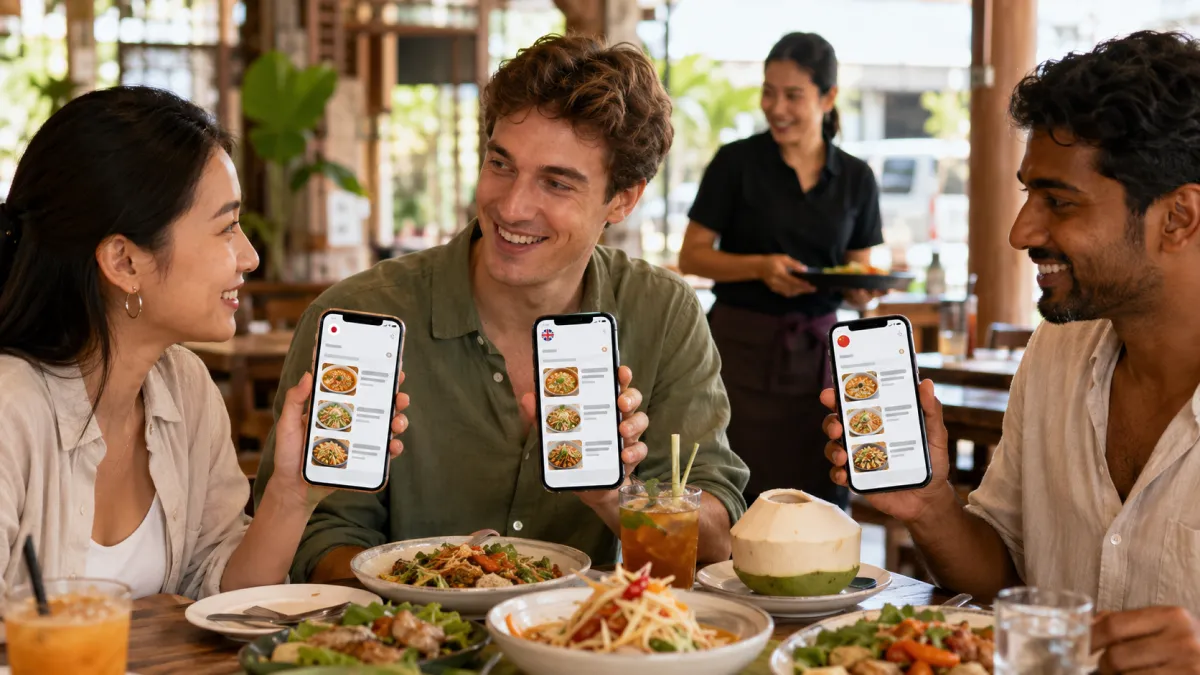
A dynamic QR menu helps because the restaurant can keep one table QR code while improving the menu behind it:
- add English first, then Chinese, Russian, Korean, Japanese, Arabic, German, or French where demand exists;
- update translations when dishes change;
- show spice level and allergen notes in the guest's language;
- use photos for dishes that tourists may not recognize by name;
- keep local Thai content and tourist-facing content aligned.
This is where the product value becomes clear. A QR generator can create a code. A restaurant QR menu system should help the restaurant run a better menu.
Customizing QR code design without hurting scannability
Before ordering table cards or window signs, use the QR printing and scan-test guide. It covers iMango's QR appearance settings and SVG download, pattern-versus-border measurements and a record sheet for checking your final print with phones in the restaurant.
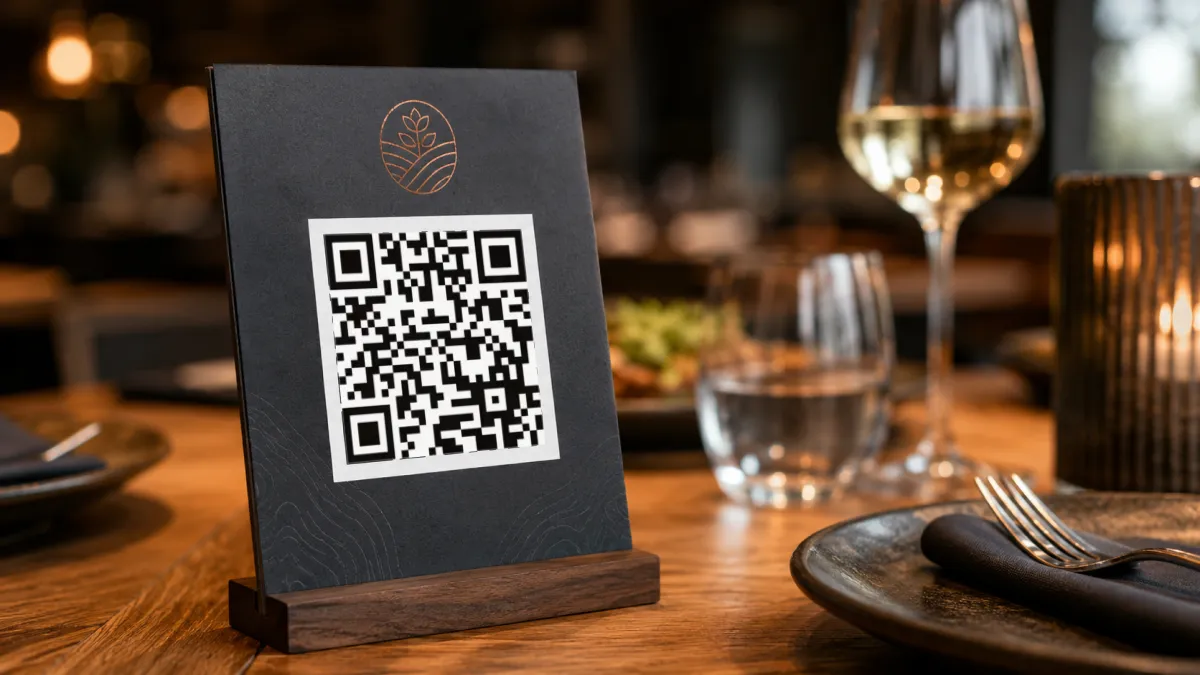
Brand consistency matters. A QR code on a table is part of the dining room, not a random sticker from the internet. It should feel like it belongs to the restaurant.
Good QR menu design usually includes:
- the restaurant logo near the QR code;
- brand colors used with enough contrast;
- a short call to action, such as "Scan for menu, photos, and translations";
- the restaurant name or menu URL;
- a clean border or quiet zone around the code;
- matte printing to reduce glare under restaurant lighting;
- a size large enough for phones to scan from a comfortable distance.
The mistake is treating the QR code as decoration first. Over-styled QR codes can become harder to scan. Low contrast, tiny codes, glossy table cards, crowded frames, and oversized logos can all create friction.
For restaurants, trust is part of design. Guests should know what they are scanning and where it will take them. A branded table card with a clear label feels safer than a bare black-and-white code with no context.
Choosing a reliable dynamic QR menu generator
A generic dynamic QR generator is not always enough for a restaurant. It may let you change the destination link, but it may not help you manage categories, prices, photos, translations, options, allergens, or table-specific QR codes.
Use this checklist before choosing a platform:
| Requirement | Why it matters |
|---|---|
| Stable public menu URL | The same link can be used on QR codes, Google profile, Instagram, and hotel materials |
| Fast mobile menu pages | Guests should not wait or pinch-zoom a PDF |
| No app download | A camera scan should open the browser directly |
| Real-time menu editing | Staff can update prices, sold-out items, and specials before or during service |
| Multilingual item content | Tourist-heavy restaurants can serve more guests without manual translation at the table |
| Item photos and short descriptions | Guests make faster, more confident decisions |
| Option groups | Sizes, toppings, spice level, milk type, sweetness, and add-ons stay organized |
| QR code exports | Print-ready PNG or SVG files reduce quality problems |
| Basic analytics | Owners can see scans, views, popular items, and language demand |
| Brand controls | Logo, colors, and table-card copy match the restaurant |
| Support and uptime | A menu QR code is useless if the menu is down during service |
| Clear ownership | The restaurant should know what happens if a subscription ends or a domain changes |
That last point is easy to skip. Dynamic QR codes depend on a live routing or menu service. If that service disappears, expires, or locks the restaurant in, the QR code can become a risk. Before printing hundreds of table cards, make sure the platform is stable, export-friendly, and clear about data, billing, and cancellation.
The best setup: dynamic, mobile-first, multilingual, and optional
The strongest QR menu setup is not "QR only." Many guests still like physical menus, and some guests cannot or do not want to use their phones at the table. A restaurant that forces QR without a backup can make the experience feel colder.
The better setup is hybrid:
- dynamic QR menu for fast updates, photos, translations, and analytics;
- printed menu or staff-provided fallback for accessibility and hospitality;
- branded table cards that explain the benefit of scanning;
- fast mobile pages, not PDF files;
- simple staff workflow for keeping the digital menu current.
For fast-paced restaurants, that balance is the point. The QR code handles the information that changes quickly. The team handles hospitality.
Conclusion: the QR code is not the product
A dynamic QR menu is not valuable because it is a QR code. It is valuable because it keeps the restaurant's live menu accurate when the restaurant is moving fast.
The printed code is only the doorway. The real product is the menu behind it: current prices, available items, useful photos, clear descriptions, tourist-friendly translations, and enough data to improve what guests see next time.
For fast-paced restaurants, that is the difference between a QR code that sits on the table and a menu system that actually helps the business run.
FAQ
What is a dynamic QR menu?
A dynamic QR menu is a restaurant menu opened through a QR code that can keep working after the menu changes. The printed QR code usually points to a stable routing URL or menu URL, while the restaurant updates prices, items, specials, photos, or translations in a dashboard.
Is a dynamic QR menu better than a static QR menu?
For restaurants, usually yes. Static QR codes are fine for permanent links, but menus change often. A dynamic QR menu is better when the restaurant needs to update prices, hide sold-out items, change specials, track scans, or avoid reprinting table cards after every edit.
Can a dynamic QR menu track customer analytics?
Yes, many dynamic QR menu systems can show basic analytics such as QR scans, menu views, popular items, category views, language selection, and scan locations. Restaurants should focus on practical signals that help improve menu layout, translations, item photos, and availability.
Do restaurants still need paper menus?
Often, yes. A dynamic QR menu is useful, but it should not remove hospitality or accessibility. Many guests still prefer physical menus, so the best setup is a fast digital menu with a paper or staff-provided fallback.
What should restaurants look for in a dynamic QR menu platform?
Look for a stable menu URL, fast mobile pages, no app download, real-time editing, multilingual content, item photos, option groups, print-ready QR exports, basic analytics, branding controls, reliable support, and clear subscription terms.